Voicemail, answering service or receptionist: which is right for a small business?
Each one answers a different question, and the right pick depends on what you want a call to end with.
Voicemail is cheapest but only records a message. An answering service takes messages and passes them on. A receptionist answers and acts on the call, including booking. Choose by what you want each call to end with: a message, a relay, or a finished job.
These three options get lumped together because all of them pick up when you cannot. They differ in what happens after the call connects. Pick by the outcome you need, not the label.
What is voicemail good for?
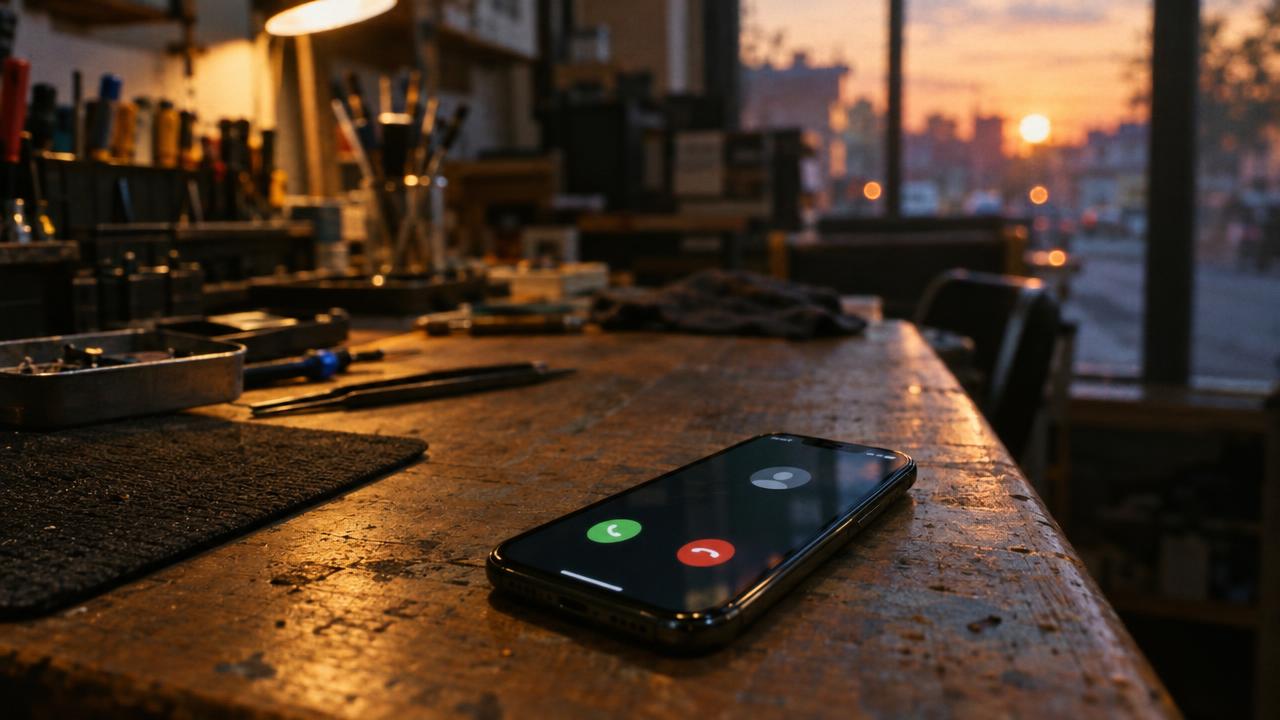
Voicemail is built into your phone line, so it costs little or nothing. It records a message and leaves everything else to you. For a business with a steady daytime phone and few after-hours calls, it can be enough.
The weakness is how callers use it. A 2016 survey by the answering-service company Moneypenny reported that 69% of callers who reached voicemail did not leave a message.1 That is an old, vendor-run study, so treat it as a warning rather than a fact about today. Still, 71% of the small businesses in that survey sent calls to voicemail,1 so a lot of callers hit it.
Voicemail fits when a missed call costs you little and a customer can wait a day.
What does an answering service do?
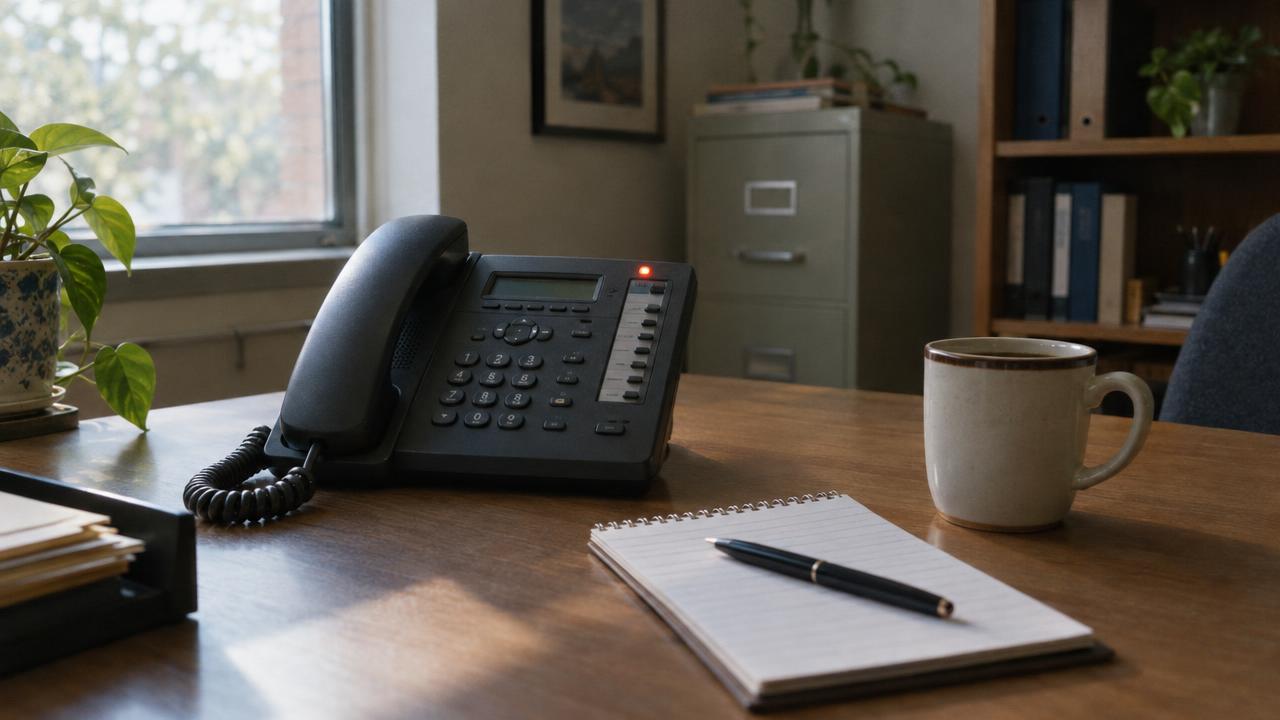
A traditional answering service has a person pick up in your business's name, take the caller's details and send them to you by text or email. You still make the next move. The service gets you the message, and you turn it into a job.
This is better than voicemail in one key way: the caller reaches a person, so fewer hang up. Pricing varies a lot between providers, so ask for a written quote and what is included before you sign.
It fits when a call mostly means "someone wants to talk to you" and you are comfortable calling back.
What does a receptionist do differently?
A receptionist, whether in your office or answering remotely for you, handles the call. They answer questions about prices and hours, book an appointment on your calendar, sort a true emergency from a routine request and put the emergency through to you.
The difference is that the call ends finished. When the caller hangs up, the appointment exists. You wake up to a schedule instead of a list of people to call back.
This fits when most calls are bookings or urgent requests, and when speed to booking decides who wins the job.
Which one makes sense for your trade?
- Barbershop or salon: calls are mostly bookings, and you are busy with your hands. You want the call to end with a booking. A receptionist-style option fits.
- HVAC, plumbing or roofing: calls can be emergencies at night. You want triage and a path to you for true emergencies.
- Law firm: a new inquiry needs careful intake and a prompt reply. An answering service or receptionist can do intake.
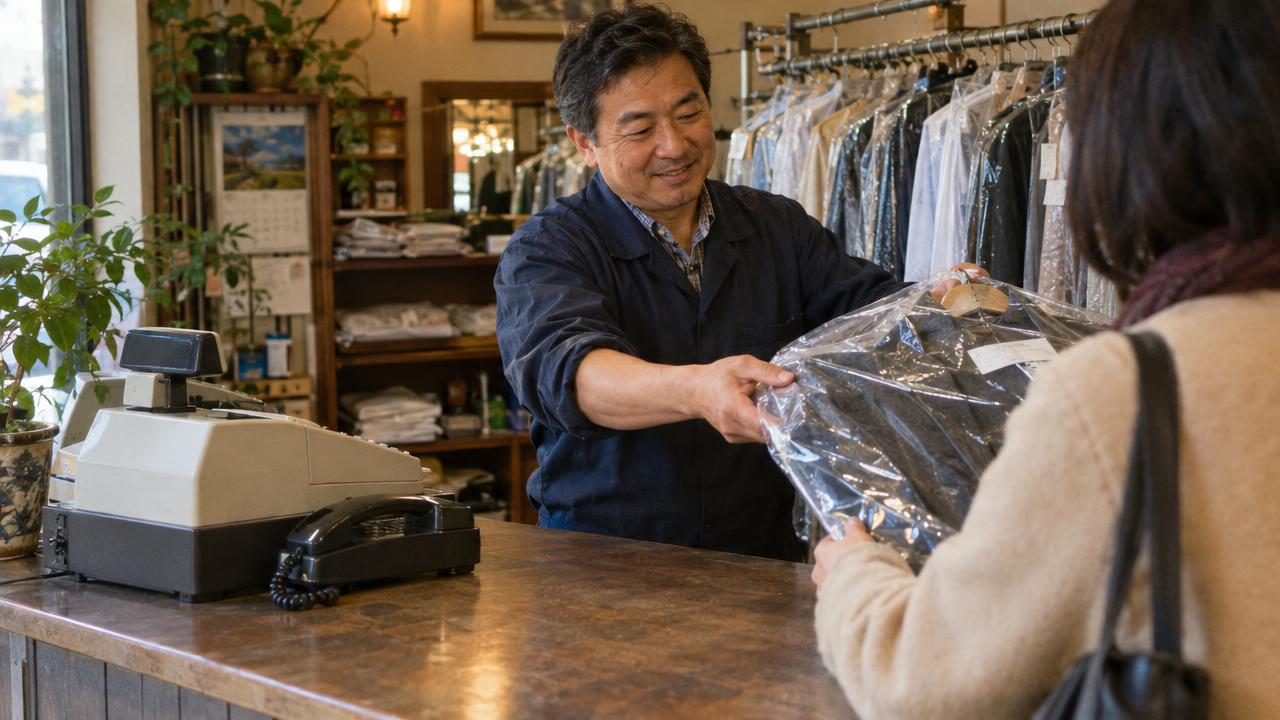
- Auto shop or jeweler: many calls are simple questions about hours, prices and drop-off. A receptionist who can answer them saves staff interruptions.
- Cleaning company: mostly quote requests, where a complete message with address and size may be enough.
What should you compare before choosing?
- Does it work after hours and on weekends, or only during business hours?
- Can it book into your calendar or booking app, or only take messages?
- Does it answer in your business's name?
- Can it use your prices, hours and policies when callers ask?
- How do you hear about each call: text, email, a dashboard?
- What does it cost per month, and is there a cap on call volume?
What does a missed call cost?
You can estimate this from your own records. Google gives one clue: in Local Services Ads, a missed call counts as a valid, billable lead when the customer stays on the line for more than 20 seconds.3 If you pay for leads, you already pay for calls you cannot answer.
Almost every adult has a phone: Pew's 2026 survey found 91% own a smartphone,2 so callers can try the next name quickly. And BrightLocal's 2026 survey of 1,002 U.S. adults found 20% of people who read good reviews go on to contact the business.4
B&G Solutions provides the receptionist option: calls are answered in your business's name at any hour and booked into your calendar or booking app.
Common questions
Is voicemail enough for a small business?
It can be if a missed call costs you little and customers can wait. For bookings and urgent work, most callers want a result right away.
What is the difference between an answering service and a receptionist?
An answering service takes a message and passes it on. A receptionist answers questions and books the job so the call ends finished.
Which is cheapest?
Voicemail, since it comes with your phone line. Answering services and receptionists vary, so ask for a written quote.
Can the service use my own prices and hours?
A good one can. Ask before you sign, and test it by calling it yourself.
Sources
- Moneypenny, Small business call report (2016)
- Pew Research Center, Americans' Use of Mobile Devices in 2026 (2026)
- Google Local Services Ads Help, How leads work (2026)
- BrightLocal, Local Consumer Review Survey 2026 (2026)