HVAC companies: what should happen to the 2 a.m. no-cool call?
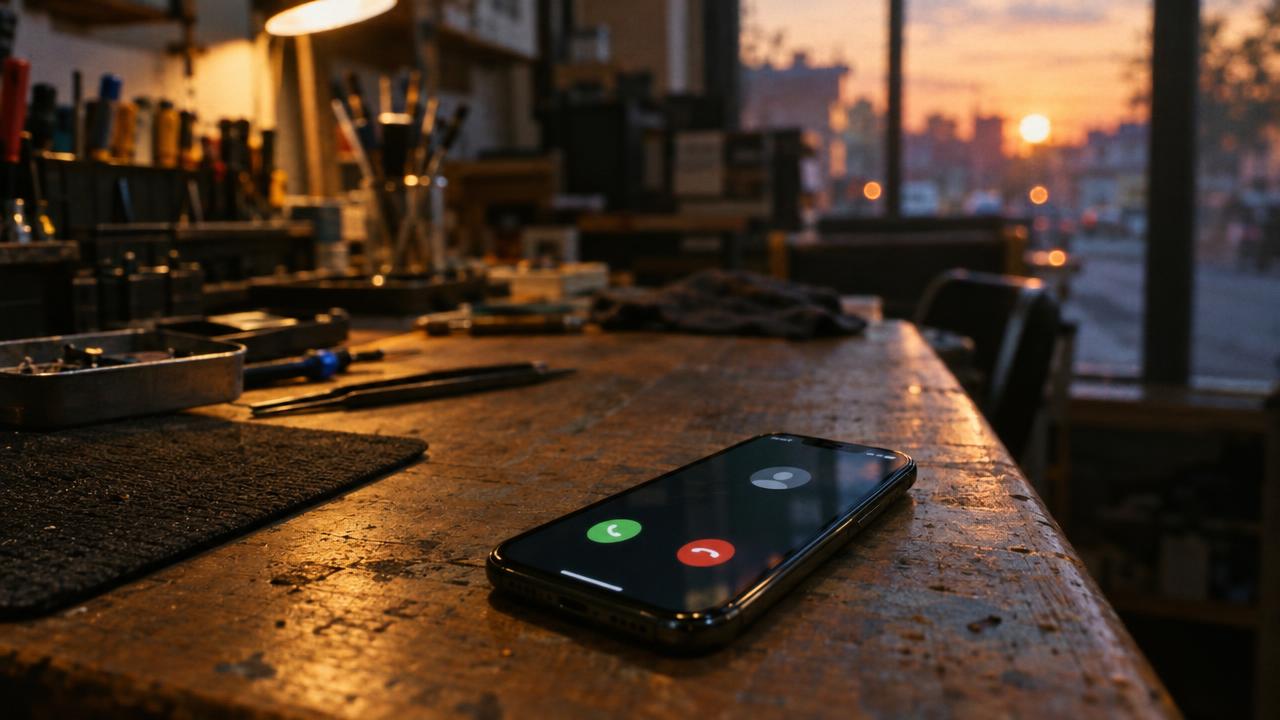
The caller is hot, worried and calling every number they find, so the call needs an answer and a plan.
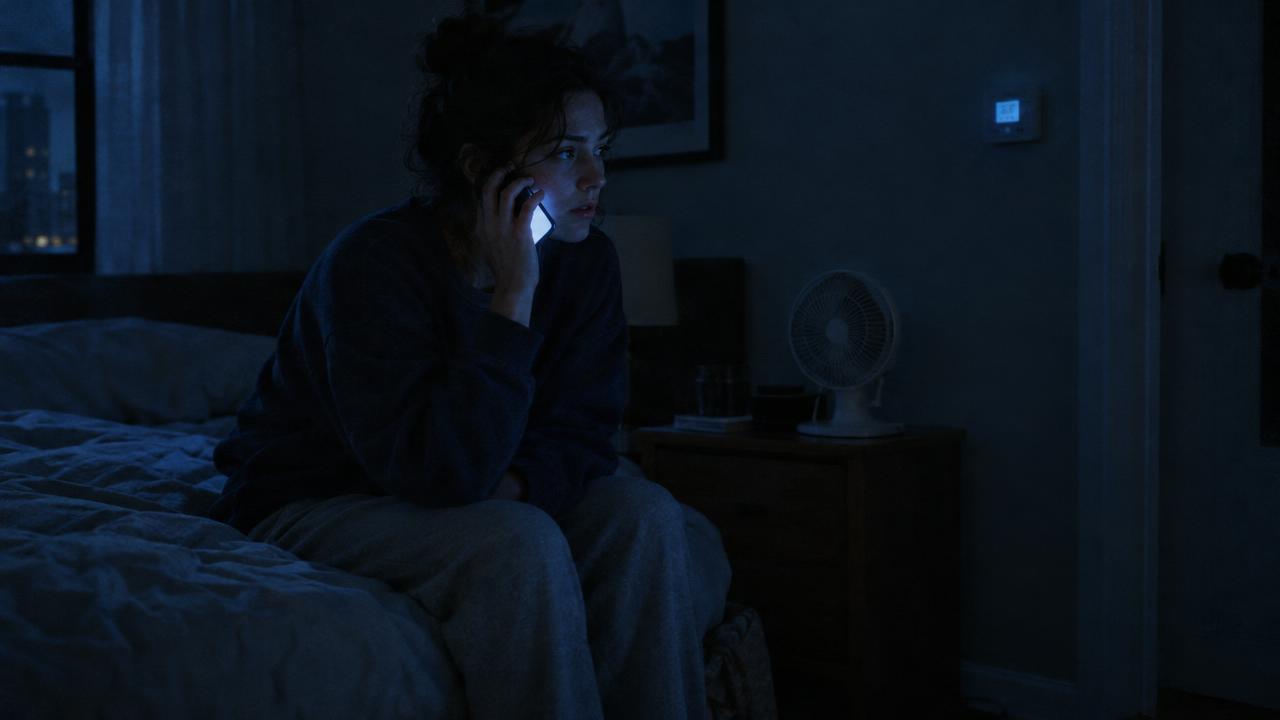
The 2 a.m. no-cool call should be answered in your company's name, sorted into true emergency or next-morning work, and either put through to your on-call tech or booked first thing. The caller should know what happens next before they hang up.
A no-cool call at 2 a.m. in a Georgia summer is not a casual inquiry. The caller is uncomfortable, possibly worried about a child, an older relative or a pet, and has your number because they searched for help. What they hear next decides whether they stay with you.
Is after-hours work normal in HVAC?
Yes. The U.S. Bureau of Labor Statistics says HVAC technicians' schedules may include evening or weekend shifts, that they may be on call for emergencies, and that they sometimes work overtime or irregular schedules during peak heating and cooling seasons.1 The BLS counts about 440,900 HVAC jobs in 2025 and projects 11% growth from 2025 to 2035.1 Demand for the trade is growing, so the competition for each call will too.
What does the caller do if nobody answers?
They keep searching. Google reported in 2016 that mobile searches for "stores open now" or "food open now" had more than doubled in a year,2 which fits what you would expect: people look for whoever is available at the moment they need help. That data is old, but the behavior is easy to recognize.
If you advertise in Google's Local Services Ads, a missed call during business hours counts as a valid lead when the customer stays on the line for more than 20 seconds.3 If your hours are set to cover nights, an unanswered 2 a.m. call is a paid lead you did not capture.
What should happen first on the call?
Someone answers in your company's name and asks the questions that sort the call:
- Name, phone number and service address.
- What is happening: no cooling at all, running but warm, water leaking, a burning smell, a frozen coil.
- Is anyone in the home vulnerable to heat, such as an infant, an elderly person or someone medically fragile?
- Is there any sign of danger, such as smoke, sparks or a gas smell?
Each answer should be written down and sent to you, so the tech does not have to start over.
Which calls go to your on-call tech?
That is a decision you make once, in writing, and then the answering follows it. A typical split:
- Put through now: vulnerable people in a hot house, a burning smell, a water leak that could damage the home, or a caller who is a regular maintenance client.
- Book for first thing: a system that is running but not cooling well, when the house is uncomfortable but safe.
- Safety instruction: for a gas smell or smoke, the caller should be told to leave the home and call emergency services.
Your split may differ. What matters is that you decide it in daylight, not at 2 a.m. when you are half asleep.
What should the caller hear before they hang up?
Three things: that they reached the right company, what happens next, and when. "A technician will call you within thirty minutes" or "you are booked for 7:30 this morning, and we will text you when the tech is on the way." A caller who knows the plan stops searching.
How do you set your pricing and policies for the call?
Many callers ask about the after-hours fee in the first minute. Decide it ahead of time and make sure whoever answers states it the same way each time. If a caller finds out about a fee after the tech arrives, you risk a bad review.
Reviews carry extra weight on bigger purchases. A 2017 Northwestern University Spiegel Research Center study of an online gift retailer found that displaying reviews raised conversion by 190% on lower-priced products and 380% on higher-priced ones.4 That is e-commerce, not HVAC, but it supports a simple idea: the bigger the job, the more the buyer leans on how you treated other people.
What is the morning-after routine?
- Review the overnight call summaries before the first dispatch.
- Confirm each booked job on the schedule.
- Follow up on any call that was put through but not resolved.
- Ask satisfied customers for a Google review.
B&G Solutions answers calls in your company's name at any hour, sorts urgent from routine according to your rules, and books jobs into your calendar. It also manages Google Business Profile and review replies, so the people who find you at 2 a.m. see a business worth calling.
Common questions
Should every after-hours HVAC call wake the on-call tech?
No. Decide in advance which calls are true emergencies, such as vulnerable people in the heat or a leak, and book the rest for first thing in the morning.
Do HVAC technicians really work nights?
The U.S. Bureau of Labor Statistics says schedules may include evening or weekend shifts and that technicians may be on call for emergencies.
What should a caller hear before hanging up?
What happens next and when: a callback window, or a booked time.
What if the caller smells gas?
They should leave the home and call emergency services. Your answering process should say so right away.
Sources
- U.S. Bureau of Labor Statistics, Heating, Air Conditioning, and Refrigeration Mechanics and Installers (Occupational Outlook Handbook) (2026)
- Think with Google, How Mobile Search Connects Consumers to Stores (2016)
- Google Local Services Ads Help, How leads work (2026)
- Northwestern University Spiegel Research Center, How Online Reviews Influence Sales (2017)